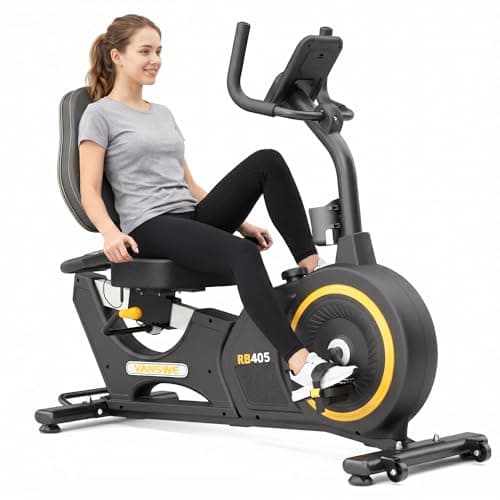
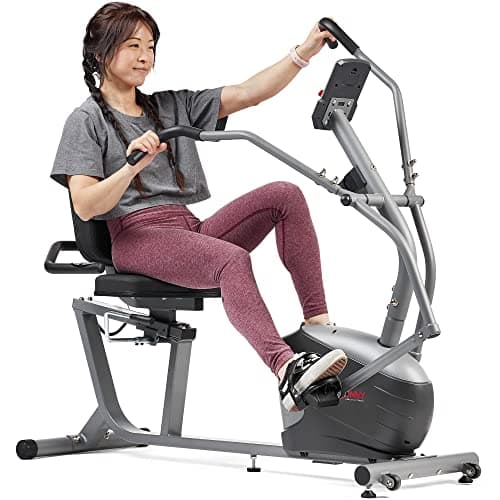
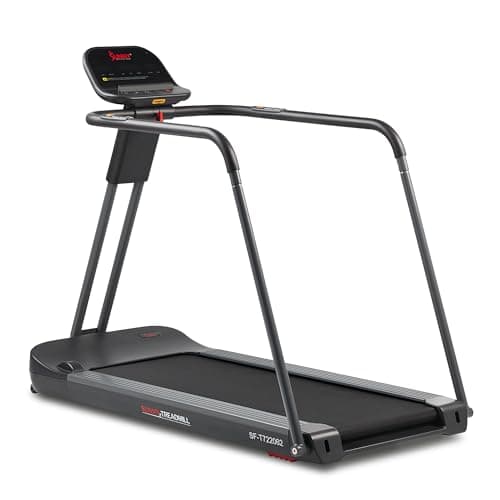
For a heavier body, the published weight capacity is not a footnote — it is the first spec, and the one that quietly decides whether the machine feels solid or nervous under you. Here is how to read it, and why buying under the rating matters more than buying up to it.
For a heavier user, the published weight capacity is the first spec to read, not the last. Buy comfortably under the rating rather than right at it, because a frame near its limit flexes and feels unsteady. Favor seated, low-impact machines — recumbent bikes and cross-trainers — that keep your body weight off the knees and hips, and read the frame before the feature list.
Most equipment guides treat weight capacity as a line item near the bottom of the spec sheet, somewhere below the number of preset programs and the size of the screen. For a heavier user that order is exactly backward. The capacity is not a footnote — it is the spec that decides whether the machine feels solid or nervous under you, whether you trust it enough to get on it the second week, and, frankly, whether it lasts. Everything else on the sheet is a detail. This one is the foundation.
Start with the number, not the features
The first thing to do with any machine you are considering is find its published weight capacity and put it next to your own weight. Not roughly. Actually look. A great many popular machines are built and rated for a body around 250 or 300 lb, and if you are heavier than that, a long list of otherwise appealing options quietly stops being appropriate no matter how good the reviews are. The capacity is the gate. Nothing gets through it that you outweigh.
This is also the spec most worth being suspicious about, because it is the one manufacturers are least eager to make prominent. A published rating that is easy to find and clearly stated is a small sign of a company that expects heavier users and built for them. A rating you have to dig for — or that is missing entirely — tells you something too. When a manufacturer does not publish a capacity at all, we say so on the product page rather than guessing at a figure, and a machine that will not commit to a number is a machine you should treat as if the number is low.
Buy under the rating, not up to it
Here is the part that gets missed. A published capacity is the load the manufacturer is willing to stand behind, not a comfortable operating target. There is a real difference between a frame carrying a body well under its rating and the same frame carrying a body right at it. Near the limit, the frame flexes more, the welds and joints work harder, and the whole machine has less in reserve for the ordinary shocks of real use — the way you sit down onto it, the push of a harder effort, the sideways shift when you reach for a towel.
You feel that reserve, or its absence, as steadiness. A machine loaded well within its capacity sits planted and quiet. A machine loaded near its ceiling sways a little, creaks a little, and feels like it is thinking about it — which is the precise feeling that keeps people from using a machine they paid for. So the honest rule for a heavier user is to shop for a rating with genuine headroom above your weight, and to treat a machine you would just barely clear as the wrong machine, not the last acceptable one. Room under the number is not overkill. It is what makes the thing feel usable.
Why seated, low-impact machines do more of the work for you
Weight capacity keeps the frame honest. The second decision is what that frame asks of your joints, and here a heavier user has a clear reason to lean toward seated, low-impact machines. On a recumbent bike or a seated cross-trainer, the seat carries your body weight and your legs move through their range without ever having to support and land your full weight the way a step does. On a treadmill, by contrast, every stride is weight-bearing — your knees and hips take the load with each footfall. Neither is wrong, but they are not the same on the joints.
That matters because the weight-bearing joints are usually the ones a heavier user most wants to be gentle with. Movement itself is the goal: the Arthritis Foundation is clear that moving a joint through its range generally helps it rather than aggravating it. A seated machine lets you get that movement, steadily and often, without stacking your full body weight onto the knee or hip at the same time. That is the mechanical case for starting seated: same movement, far less load through the joints that feel it most.
None of this is a promise about pain or weight, and it is not a treatment for anything. If a joint hurts, if you are recovering from an injury, or if a doctor has told you to be careful, that guidance outranks anything here. What this site can tell you is mechanical: seated, low-impact machines move your legs while keeping your weight off them, and for a heavier body that is often the difference between an exercise you keep doing and one you quietly abandon.
How to read a frame you can actually trust
Beyond the printed capacity, a few qualities of the frame itself tell you whether a machine will feel steady. We have not stood on these machines — everything here is reasoned from the published specifications and dimensions — but the specs do carry signal if you know where to look.
A stated, generous capacity. The number should be published, easy to find, and comfortably above your weight. A machine that names a high capacity plainly was designed with heavier users in mind; one that stays quiet about it was not.
A wide, low stance. A frame with a broad footprint and a low center of gravity resists the small sideways sways that make a machine feel tippy. Recumbent bikes tend to do well here by their shape alone.
An easy way on and off.A step-through frame or a low seat you can lower into, rather than climb onto, matters more the heavier you are. Getting on and off safely is part of the machine’s job, not an afterthought.
Real overall dimensions. A larger, heavier machine is usually a sturdier one. The published footprint and shipping weight are a rough but useful proxy for how substantial the frame is. We list those figures on each product page against the source we read them from.
What that looks like on this site
We keep the capacity front and center rather than buried, because for the readers this page is for it is the spec that matters most. Some of the recumbent bikes on our shortlist publish a stated capacity around 450 lb, and several of the treadmills we cover publish their own high ratings, so there are genuine options well above the usual 250 or 300 lb ceiling. Rather than quote each machine’s numbers here, where they are easy to garble, we gather them where you can compare them side by side: our high-capacity recumbent bike shortlist pulls together the sturdiest seated options, our best recumbent bikes for seniors covers the gentler all-round picks, and our senior treadmill shortlist flags the walking machines that publish a capacity worth trusting.
Once you have a machine that fits your body with room to spare, the ordinary guidance applies. The CDC advises adults 65 and over to aim for at least 150 minutes a week of moderate-intensity activity, plus muscle-strengthening on two days and some balance work — and a seated machine you actually trust is a much easier place to build toward that than a nervous one you avoid. Start gently, well below any target, and let the minutes accumulate. And because starting something new deserves a check when there is a medical picture involved, the National Institute on Aging recommends talking to your doctor before you begin a new activity, particularly if you are managing your weight alongside a heart or joint condition.
The whole of it comes down to one reordering. Put the weight capacity at the top of the list where it belongs, shop for room above it rather than up to it, and lean toward a seated machine that keeps your weight off the joints that carry it. Get those three right and the rest of the spec sheet is just detail — the machine will feel solid, you will trust it, and a machine you trust is a machine you use.
General information, not medical advice. Tread & Tone is written by an enthusiast, not a clinician. Nobody here is a doctor, a physical therapist or a trainer, and nothing on this site has been medically reviewed. Talk to your doctor or physical therapist before starting something new, particularly after surgery, a fall, or a change in medication.
Questions people ask
What weight capacity should a heavier user look for?+
Look for a published capacity with real headroom above your own weight, not one that just barely clears it. A frame is at its most reassuring well under its rating and at its most nervous right at it, so the honest target is a machine whose stated maximum sits comfortably above where you are today. Several of the low-impact machines on our shortlists publish capacities in the 400 to 450 lb range, which is where you want to be shopping if a typical 250 or 300 lb rating leaves you close to the ceiling.
Is a recumbent bike or a treadmill better for a heavier user?+
For many heavier users a seated machine is the gentler place to start, because a recumbent bike or a seated cross-trainer carries your body weight on the seat rather than driving it down through your knees and hips with every step. A treadmill can absolutely work, and some publish high capacities with cushioned decks, but walking is weight-bearing by nature. If your knees or hips are the limiting factor, the seat usually wins; if walking is comfortable and you want it, a well-rated treadmill is fine.
Does exercise help my joints if I am carrying extra weight?+
The Arthritis Foundation is clear that movement generally helps arthritic joints rather than aggravating them, and a joint that keeps moving through a comfortable range tends to do better than one rested into stiffness. A seated, low-impact machine lets you get that movement without loading the weight-bearing joints the way standing exercise does. It is not a treatment, and anything involving joint pain is a conversation for your doctor or physical therapist, but the general direction — move gently and often — is well supported.
Is it safe to use a machine right at its weight rating?+
It is better not to. A published capacity is the point the manufacturer stands behind, not a comfort target, and a frame carrying a load near its limit flexes and works harder than the same frame carrying a load well under it. That flex is what you feel as a machine that sways, creaks, or feels unsteady at the moment you least want it to. Leaving room under the rating buys you a frame that feels planted, which for a heavier user is most of what makes a machine usable.
Do I have to lose weight before I start exercising?+
No. You do not need to reach any number before you are allowed to begin, and the benefits the CDC and the National Institute on Aging describe for regular activity do not wait for the scale to move. Pick a machine sized for your body as it is now, start gently, and let the habit build. If you are managing a heart condition, joint pain, or any other concern, talk to your doctor before you start something new — that is the one step this page cannot do for you.
What is the most joint-friendly machine for a heavier senior?+
As a rule, a seated low-impact machine with a high published capacity and a stable, wide frame — a recumbent bike or a recumbent cross-trainer — is the friendliest starting point, because it keeps your weight off the knees and hips while still moving them through their range. Our high-capacity shortlist gathers the machines that publish the sturdiest ratings, so you can compare frames rather than guess at them.
Sources
CDC — Older Adult Activity: An Overview — At least 150 minutes a week of moderate-intensity activity, 2 days of muscle strengthening, plus balance activities for adults 65 and over (read July 24, 2026)