We have no usage data and we are not going to pretend otherwise. What we can offer is the structural version of the question, which is what the equipment demands of a person before it does anything for them.
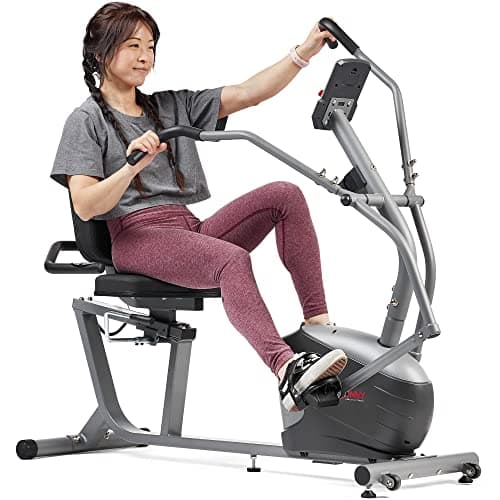
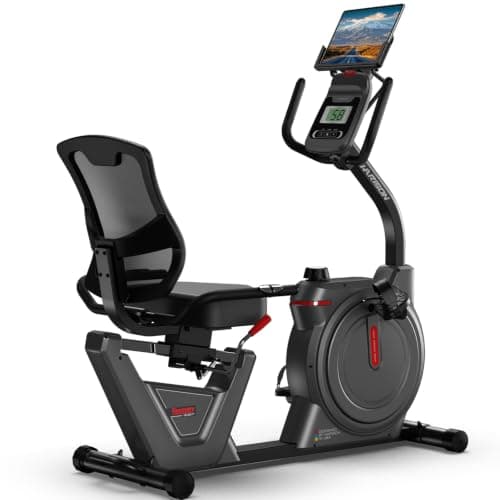
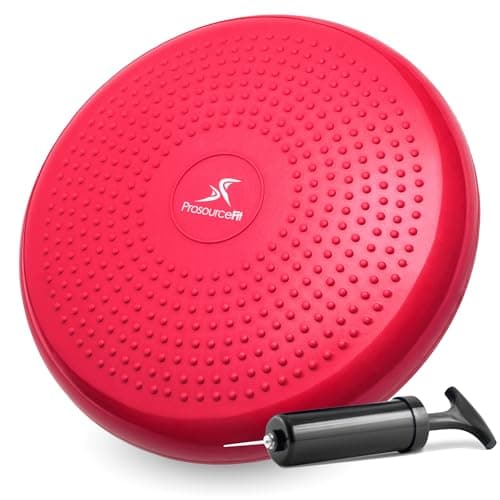
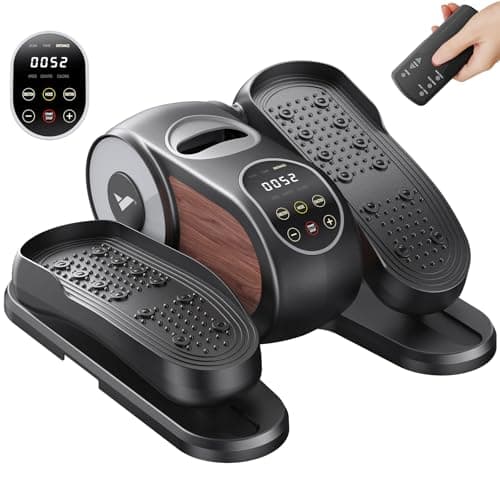
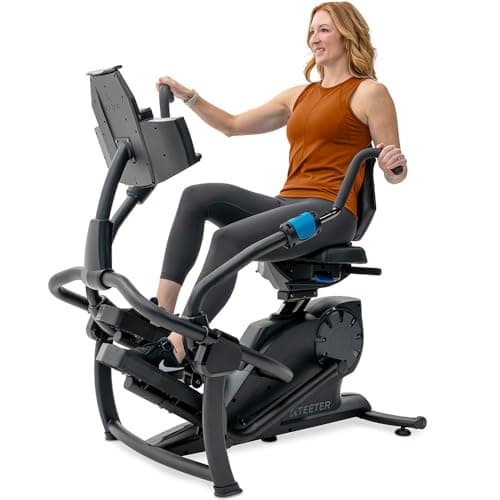
The things that get used ask for almost nothing. A pedal exerciser goes on the floor in front of the chair they already sit in, and the barrier between deciding to use it and using it is roughly four seconds. A balance cushion lives by the kitchen counter, which is where the counter is — something to hold. A recumbent bike is bigger but demands only that they sit down, which is a posture they are already in for much of the day. The National Institute on Aging is explicit that balance work belongs alongside endurance and strength, not instead of it — and balance gear is the cheapest thing on this entire site by a wide margin.
The things that end up under the bed ask for a decision first. Anything requiring a subscription they have to set up. Anything requiring an app, an account, a password. Anything they have to assemble themselves from a box of parts and a bag of bolts — which, if you are not going to be in the room, means you should either buy something that arrives assembled or plan to be there with a wrench. And anything that demands balance from somebody whose balance is the reason you are shopping: a spring-loaded board six inches off the floor is a real product for a real person, and that person is not a nervous beginner.
One last thing, and it is the reason the cheap pages on this site are the good ones. The most useful gift in this category is frequently the least impressive to open. Twenty-five dollars of inflatable rubber that gets stood on every morning beats four hundred dollars of steel that gets stood beside. If you want the version of that argument with the actual picks attached, start with the under-fifty page.