Buying for a parent is a different problem from buying for yourself: it has to be safe, genuinely easy to get onto, and something they'll accept. Here's how to choose respectfully, and what to check first.
How this is funded: we earn a commission if you buy through our links, at no extra cost to you. It never changes what we recommend, and every page here names at least one thing we would not buy. Full disclosure.
The short answer
Buy for acceptance and safety, not ambition. Choose something genuinely easy to get onto, safe to use alone, and matched to their joints and space — then involve them in the decision rather than surprising them. Before any feature, answer the getting-on question: if they cannot get on it comfortably, nothing else about the machine matters.
Buying exercise equipment for a parent is a different problem from buying it for yourself, and the difference is not really about age. It is that you are choosing for someone else’s body, someone else’s home and someone else’s sense of themselves — and the last one is the part that decides whether the machine gets used or quietly becomes a place to hang laundry. This guide is about getting all three right, in the order that matters.
Buy for acceptance, not ambition
The machine a parent will actually use beats the impressive one every time. It is tempting to buy the model with the most features, the highest numbers, the version that would motivateyou— but the only specification that matters here is whether it fits into their life without friction. A capable machine that sits untouched has done nothing. A modest one used three mornings a week has done everything.
Ambition is the trap. It is easy to picture a parent striding on a treadmill and building back to where they were a decade ago, and to buy the equipment that vision requires. But you are not buying the vision, you are buying the first two weeks — and the first two weeks decide the rest. Something that is a little boring and completely unintimidating will be used long after something ambitious has become a source of guilt.
The single biggest predictor of a machine getting used is whether your parent chose it. Involve them. Ask what would make moving a bit more each day feel easy rather than like a chore, show them two or three options, and let them sit on each one. This is their equipment, in their home, for their body. When they make the final call, they own the outcome — and people keep using the things they decided on.
The getting-on question, before any feature
Before resistance levels, before speed ranges, before screen size, answer one question: can your parent get onto the machine, and off it, comfortably and without help? This decides everything, and it is the question the marketing never leads with.
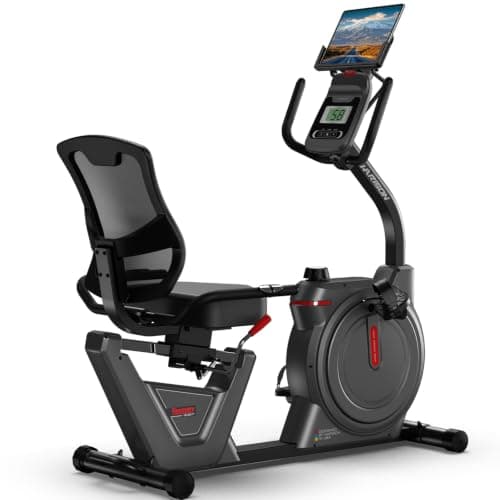
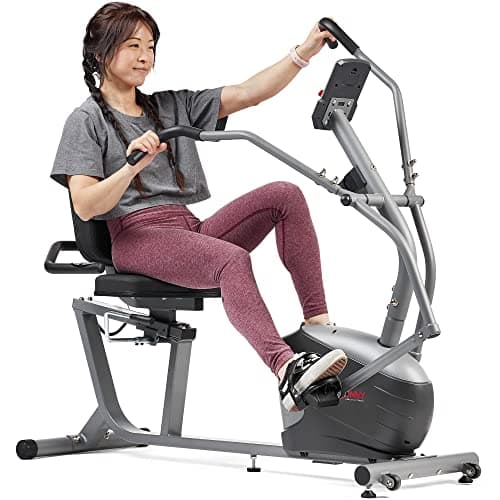
On a bike it is about the step-through and the seat. A recumbent bike you walk into and sit down on, with no crossbar to swing a leg over, is a fundamentally different proposition from an upright bike your parent has to climb aboard. On a treadmill or walking pad it is the step-up height — the distance from the floor to the belt — because that is the height they raise a foot to every single time they get on. A couple of inches is the difference between stepping on and having to plan the movement.
The trouble is that manufacturers rarely publish the numbers that decide this, and a parent with a stiff hip or a replaced knee feels a difference of an inch or two that a specification sheet flattens to nothing. We wrote a whole guide on what step-over height actually means and how to measure it — read it before you buy anything with a step, and if you can, have your parent try the movement in a shop rather than trusting a photograph.
Safety, because they may be using it alone
Much of the reason to buy a machine at all is that it lets a parent stay active indoors, on their own schedule — which usually means using it alone. That changes what “safe” has to mean. It is not enough that the machine is safe when you are standing next to it; it has to be safe on a Tuesday morning when nobody else is home.
Start with the stakes. The CDC reports that more than one in four adults aged 65 and over falls each year, and that falling once doubles the chance of falling again. The National Institute on Aging explains why older adults fall and notes that strength and balance work is part of what reduces the risk — so the right equipment is part of the solution, not just a thing that carries its own risk.
In practice that means a few concrete things. Prefer seated equipment, which has nothing to fall off. If it is a treadmill, insist on full-length handrails on both sides and three feet of clear floor behind it. And if your parent lives alone or exercises when the house is empty, consider a fall-detection watch— a device that senses a hard fall and can call for help without your parent having to reach a phone. Read the subscription terms before you buy: many of these watches cost little up front and a great deal more over a year, and one only helps if your parent is willing to wear it and keep it charged.
Match the machine to their body and their home
There is no single best machine, only the best fit for a particular parent. Three questions sort most of it out.
How are their joints? If knees, hips or a stiff lower back are the limiter, lean toward a recumbent bike. Seated, the body weight rests on the seat rather than the joint, so the joint moves a load instead of also holding them up, and the effort dials down as low as they need. The Arthritis Foundation lists cycling, walking and water exercise among the low-impact ways to work out with arthritic joints — a useful reminder that gentle and continuous beats hard and occasional.
How is their balance and strength? If steadiness is the concern, seated cardio plus some balance work is a better starting point than anything they have to stand and move on. Build the base first; the treadmill, if it comes at all, comes later.
How much room is there, honestly? If your parent lives in a small flat, or the only space is a corner of a bedroom, do not force a full machine into it. A pedal exercisertucks under an existing armchair, weighs almost nothing, and lets them pedal while they read or watch television — which for a lot of parents is the difference between doing something and doing nothing. It is the least intimidating thing on this site, and that is exactly its strength.
The conversation, which matters more than the machine
How you raise this decides whether it lands as care or as a verdict. The frame that works is independence: this is about keeping doing the things they already do — the stairs, the garden, carrying the shopping — not about a decline you have noticed and decided to manage. Ask, do not tell. “What would make it easier to move a bit more?” opens a door; “I’ve bought you a treadmill” closes one.
Do not buy in secret. A machine that arrives unannounced as a fait accompli tells your parent you decided something about their body without them, and even the right machine struggles to recover from that start. Bring them into the choice early, let them try getting on and off, and let the final decision be genuinely theirs, even if they pick differently than you would. A machine they chose gets used; a machine imposed on them gets resented.
And have them clear anything new with their doctor. The CDC’s guidance for adults 65 and over is at least 150 minutes of moderate-intensity activity a week, plus two days of strengthening and some balance work — but that is a destination, and the starting point and pace depend on their history in ways no website can see. This matters most after surgery, a fall, or a change in medication. Nobody producing this site is a clinician; the doctor or physical therapist who knows your parent is the one to set the plan.
Get those two things right — the getting-on question and the conversation — and the specific machine almost chooses itself. Get them wrong, and it will not matter how good the machine is. If you want a place to compare the actual options with your parent rather than for them, our overview of the best exercise equipment for seniors is written to be read together.
General information, not medical advice. Tread & Tone is written by an enthusiast, not a clinician. Nobody here is a doctor, a physical therapist or a trainer, and nothing on this site has been medically reviewed. Talk to your doctor or physical therapist before starting something new, particularly after surgery, a fall, or a change in medication.
Questions people ask
What's the best exercise equipment for an elderly parent?+
The one they will actually get onto and use, which is usually a recumbent bike or a pedal exerciser rather than a treadmill. Both let them sit, both are easy to get onto, and both are safe to use alone. But the honest answer is that it depends on their joints, their balance and their space, and the only person who can settle it is your parent — so involve them in the choice rather than surprising them with it.
Recumbent bike or treadmill for a parent?+
For most parents, a recumbent bike. They sit down to use it, so there is nothing to fall off, and they can set the effort as low as they like. A treadmill moves the walking surface underneath them, which is the one machine in the house that can carry them backwards if they stumble. A treadmill can be right — with full-length handrails and clear floor behind it — but a bike removes the balance question entirely.
How do I raise it without offending them?+
Frame it as staying independent, not as fixing a problem. Ask rather than tell: what would make moving a bit more every day easier for them? Bring them into the choice, let them try getting on and off, and let them make the final call. The fastest way to have a machine end up unused in a spare room is to buy it in secret and present it as a done deal.
Is a fall-detection watch worth it for a parent who exercises alone?+
Often yes, if they live alone or work out when nobody is home. A watch that detects a hard fall and calls for help matters most on the one day it matters. Read the fine print first: many carry a monthly subscription that dwarfs the sticker price over a year, and it only works if your parent is willing to wear it and charge it. Choose one they will actually keep on their wrist.
What if my parent has arthritis?+
Then lean toward low-impact, seated options. The Arthritis Foundation lists cycling, walking and water exercise among the joint-friendly ways to work out, and a recumbent bike carries their body weight on the seat so the joint moves a load rather than also stabilizing them. Keep the resistance low to start, judge by how the joint feels the next morning, and have them clear anything new with their doctor or a physical therapist first.
Should my parent check with a doctor before starting?+
Yes. Nobody on this site is a clinician, and starting a new activity is exactly the moment to ask someone who knows their history. The CDC's target for adults 65 and over is at least 150 minutes of moderate activity a week, but the right starting point and pace is a conversation for their doctor — especially after surgery, a fall, or a change in medication.
Sources
CDC — Older Adult Activity: An Overview — At least 150 minutes a week of moderate-intensity activity, 2 days of muscle strengthening, plus balance activities for adults 65 and over (read July 24, 2026)
CDC — Facts About Falls — More than one in four adults 65 and over falls each year; falling once doubles the chance of falling again (read July 24, 2026)