What a seated, back-supported bike genuinely does for an older body — and, just as honestly, the two things it cannot do that you will need to get elsewhere.
A recumbent bike gives seniors joint-gentle cardio you can actually keep doing — seated, back-supported, and easy to get on and off. It works your heart and legs without impact. Just know its limits: because you are sitting, it does little for bone strength or standing balance, so pair it with walking and balance work.
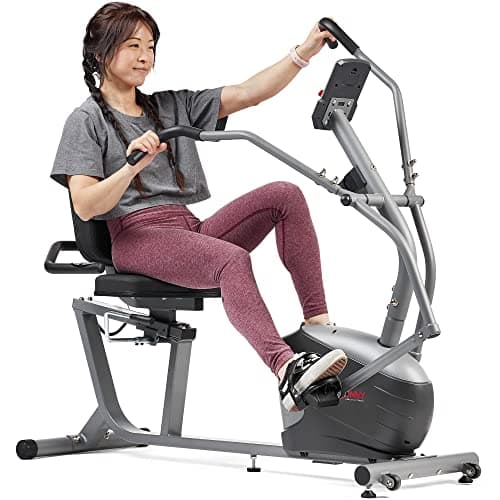
A recumbent bike is the one you sit back into — a reclined seat, a proper backrest, and the pedals out in front of you rather than below. For an older body, that shape changes everything. It turns cycling from something you perch on top of into something you settle down into, which is why it has become a favorite for people in their sixties, seventies, and beyond who want to keep their heart working without paying for it in sore joints. This guide is an honest accounting of what that machine does well, and — because being straight with you matters more than selling you a bike — the two important things it does not do at all.
Real cardio you will actually keep doing
The first and biggest benefit is the plainest one: a recumbent bike is a reliable way to get your heart and lungs working. Pedaling is aerobic exercise, and aerobic exercise is the engine of most of the good that regular movement does for an older adult. The National Institute on Aging is clear that staying regularly active benefits older adults, and a machine that sits in your home and asks almost nothing of your joints is a very practical way to be regularly active. The best exercise, in the end, is the one you keep doing, and comfort is what keeps you doing it.
It also gives you a sensible target to aim at. The CDC recommends that adults 65 and over get at least 150 minutes a week of moderate-intensity activity. That sounds like a lot until you break it into recumbent-bike sessions — five gentle half-hours across a week, or shorter bouts more often, and you are there. Because the bike is so undemanding on your body, those minutes are ones you can actually accumulate week after week instead of abandoning after a sore fortnight. Moderate simply means an effort where you could talk but not comfortably sing; you set the resistance to reach that and no higher.
Genuinely gentle on the joints
The reason a recumbent bike suits older knees, hips, and ankles is that the motion is smooth and continuous, with no impact at any point. Walking and running load the joint with your body weight on every step; pedaling never does. Your feet stay on the pedals, the circle is unbroken, and you decide exactly how hard it is. For anyone with sensitive or arthritic knees, that combination of no impact and full control is often the difference between cardio that hurts and cardio that does not.
There is a positive case for the motion, too, not just an absence of harm. The Arthritis Foundation explains that cycling’s continuous motion moves the joint through its range and helps produce the synovial fluid that lubricates it — the gentle pumping action is, in a real sense, feeding the joint. And more broadly the same organization notes that movement helps osteoarthritis rather than aggravating it, which overturns the old instinct to rest a sore joint into stiffness. None of this is a promise that a bike fixes bad knees — that is a conversation for your doctor — but it explains why so many joint-conscious exercisers find the pedaling itself feels good. We go deeper on the knee question in our guide to recumbent bikes and knee pain.
Back support you cannot get on an upright
Sit on an ordinary upright bike and your spine holds you up, hunched forward over the handlebars for the whole ride. For a lot of older exercisers that is exactly where the trouble starts — a stiff or aching lower back gives out long before the legs are tired. The recumbent design removes that problem by giving you a real seat with a backrest to lean into. Your spine is supported, your weight is spread across your back and seat instead of balanced on a narrow saddle, and there is no forward hunch to hold.
That comfort is not a frill; it is often what makes the exercise possible at all. A person who cannot tolerate ten minutes hunched on an upright can frequently do a relaxed half-hour reclined, because nothing is aching to make them stop. It also spares you the saddle soreness that puts so many people off cycling in the first place. If back comfort is central to your decision — and for many readers it is the whole reason they are looking at a recumbent — our guide on recumbent bikes and back pain covers how to set the seat up and what to watch for.
Easy to get on, safe to use
A recumbent bike is one of the most approachable pieces of cardio equipment there is, and that starts before you have pedaled a stroke. The seat sits low with the frame open in front, so you step in and sit down rather than swinging a leg over a high crossbar or climbing onto a tall saddle. For anyone with limited hip mobility or a wariness about balance, that low, sit-down entry removes a real barrier.
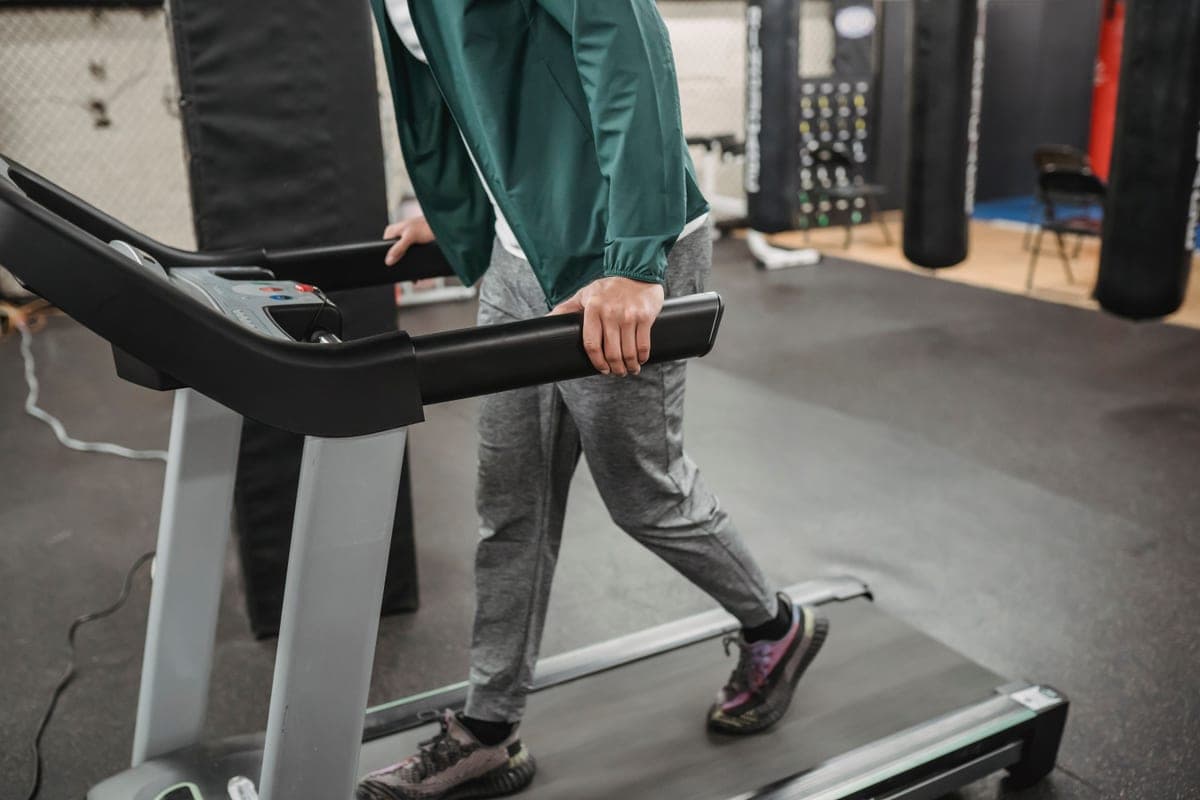
Safety while you use it is the quieter benefit, and it deserves saying plainly. On a treadmill the belt moves whether you keep up or not, and a stumble means a fall; that risk is exactly why some older adults are nervous about them. A recumbent bike has no such failure mode. You are already seated and supported, you cannot be thrown off, and if you simply stop pedaling, the machine gently stops with you. Nothing is going to pull the ground out from under you. That low fall risk is one of the strongest reasons a recumbent bike is recommended for seniors over a treadmill, and we lay the two side by side in our recumbent bike versus treadmill comparison so you can weigh the trade-offs for your own situation.
The honest limits: what a bike cannot do
Here is where we owe you the truth that a sales page will not give you: a recumbent bike is not a complete exercise program, and two important gaps come directly from the thing that makes it so comfortable — the fact that you are sitting down.
First, it is not weight-bearing. Because your body weight rests on the seat rather than passing down through your legs, the bike does very little for bone strength. Bones stay strong partly in response to bearing load — the stress of standing and walking — and seated pedaling does not provide that stimulus in any meaningful way. If bone health is on your mind, the bike is not the tool for it, and the honest fix is weight-bearing activity. Gentle walking is the obvious companion here: it is aerobic like the bike but weight-bearing in a way the bike can never be.
Second, it does nothing for standing balance. Balance is trained by challenging it — by standing, shifting your weight, and holding steady — and there is no balance challenge in a seat with a backrest. Since falls are one of the real threats to independence in later life, this is not a small omission. The bike simply leaves it untouched, and you have to get that work elsewhere with dedicated balance exercises. This is exactly why the CDC asks adults 65 and over for 2 days of muscle-strengthening and balance activities on top of their 150 weekly aerobic minutes — the aerobic minutes are only part of the picture. A recumbent bike is an excellent way to bank the aerobic part. It is not a substitute for the strength and balance part, and anyone who tells you it is has not been straight with you.
Who it suits best, and how to start
Put all of that together and the recumbent bike suits a fairly clear person: an older adult who wants dependable, comfortable cardio without impact, who values back support and an easy sit-down start, and who may be managing sensitive joints, arthritis, or a wariness about falling. If that is you, it is very likely the right main cardio machine — provided you understand it as one piece of a week that also includes some weight-bearing movement and some balance work.
Starting is meant to be undramatic. Set the resistance low, spend the first few easy minutes as a warm-up, and keep the session short at the beginning — ten gentle minutes is a real start, not a failure. Judge the effort by feel, aiming for a level where you can still hold a conversation, and build the number of minutes before you ever touch the resistance. Because starting or changing a routine deserves a check when there is a medical picture involved, the National Institute on Aging advises talking to your doctor before beginning something new — sensible advice for anyone, and important if you have a heart or joint condition.
A recumbent bike earns its place through comfort, gentleness, and safety — the very qualities that keep an older exerciser coming back day after day, which is the whole game. Just hold both halves of the truth at once: it is a superb, joint-friendly way to work your heart, and it is not the entire job. Pair it with a little weight-bearing walking and some balance practice and you have a rounded week. If sore or arthritic joints are your main reason for looking, our roundup of the best recumbent bikes for arthritis is the natural next step, and our best recumbent bikes for seniors guide covers the field more broadly.
General information, not medical advice. Tread & Tone is written by an enthusiast, not a clinician. Nobody here is a doctor, a physical therapist or a trainer, and nothing on this site has been medically reviewed. Talk to your doctor or physical therapist before starting something new, particularly after surgery, a fall, or a change in medication.
Questions people ask
What are the main benefits of a recumbent bike for seniors?+
Three stand out. It is genuinely gentle cardio — a seated, continuous pedaling motion that works your heart and legs without pounding your joints. It is comfortable, thanks to the reclined seat and back support that a small saddle cannot offer. And it is easy and safe to use, because you sit down to start and cannot fall off it the way you might stumble on a treadmill. Together those make it a machine you are likely to keep using, which matters more than any single feature.
Is a recumbent bike good for bad knees or arthritis?+
It suits many people with sensitive or arthritic knees, because the motion is smooth and continuous with no impact, and you control the resistance. The Arthritis Foundation notes that cycling moves the joint through its range and helps produce the fluid that lubricates it, and that movement tends to help osteoarthritis rather than aggravate it. That said, painful knees are individual — keep the resistance low, stop if a movement hurts, and let your doctor or physical therapist have the final say.
Does a recumbent bike help with weight loss?+
We are not going to attach a number to that, because your results depend on your effort, your diet, and your whole week of activity, not on the machine alone. What is fair to say is that regular cardio you actually keep doing supports general health and helps you accumulate the weekly activity that guidelines recommend for older adults. Treat the bike as one dependable, joint-friendly way to move often — not as a weight-loss guarantee.
Is a recumbent bike enough exercise on its own?+
For heart and general activity it is a strong contribution, but it is not the whole picture. Because you are seated, it is not weight-bearing and does little for bone strength, and it does nothing for standing balance. The CDC asks older adults for muscle-strengthening and balance work alongside their aerobic minutes, so pair the bike with some weight-bearing walking and a little balance practice to cover what the seat leaves out.
How should a senior start on a recumbent bike?+
Gently and briefly. Set the resistance to its lowest, spend the first few minutes pedaling easily as a warm-up, and aim for a short session — even ten minutes is a fine start — at an effort where you can still talk. Build the time before you build the resistance, and add minutes only as it starts to feel easy. And because starting something new deserves a check, the National Institute on Aging advises talking to your doctor first, especially if you have a heart or joint condition.
Is a recumbent bike better than a treadmill for older adults?+
Neither is simply better — they do different jobs. A recumbent bike wins on comfort, back support, and safety, and it is the gentler choice for sensitive joints and anyone worried about falling. A treadmill is weight-bearing, so it does more for your bones and standing balance. Many people are best served by using both, and our recumbent bike versus treadmill comparison walks through which fits which situation.
CDC — Older Adult Activity: An Overview — At least 150 minutes a week of moderate-intensity activity, 2 days of muscle strengthening, plus balance activities for adults 65 and over (read July 24, 2026)